
I asked Claude to test Mikud.AI on our own market. I wanted to see how the product worked. Along the way, I also got something worth thinking about in the way we describe ourselves.
One thing I like to do with a product I am building is use it for a real need. In this case, I asked Claude to work in Mikud on the market for consultants offering business plans and competitor research. One test used an account without the analyst, and another used an account with the analyst.
This was our own internal test with an AI tester. The questions and scope changed between the two runs, so this is not a controlled comparison between the plans. Still, two cases were worth stopping for.
One was about giving a homepage too much weight. The other was about something we found convenient to believe about our own differentiation.
Binovate: We read the headline and moved on
Mikud's gap search found Binovate and pointed to its consulting page for startups. The summary mentioned market surveys and competitor analysis. On the face of it, this was a company worth checking in the context of KEISAR.
Claude opened the homepage. It saw technology and AI consulting, gave the company a relevance score of 2 out of 5, and wrote that it did not offer business plans or competitor research.
But it did not open the service page the search had already found.
When the analyst reviewed the company's pages, it also read that page. It described market surveys, competitor analysis and business plan development. The analyst scored it 5 and linked the assessment to sources and reasoning.
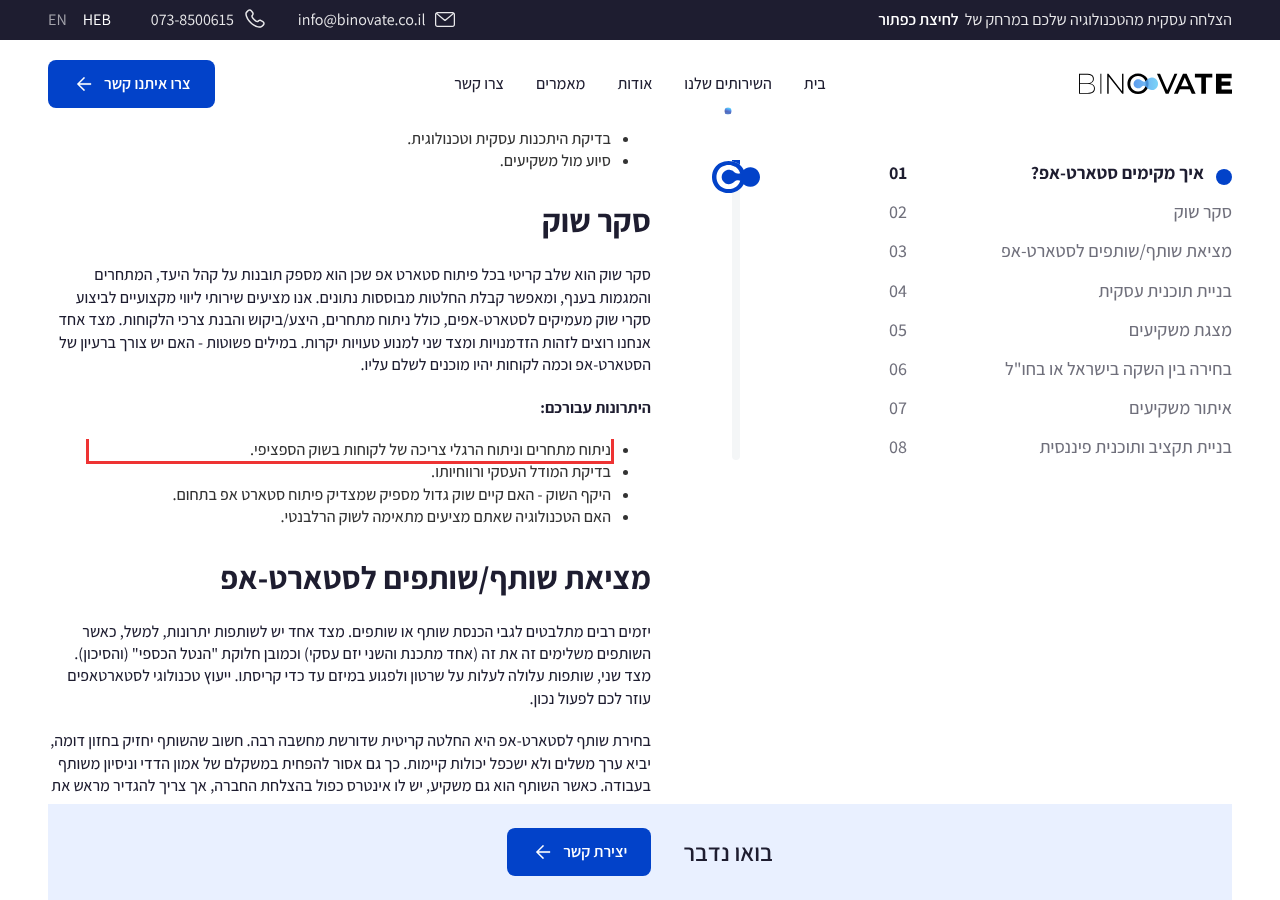
What interested me was that the information was already within reach. Mikud's search found it, but the tester gave more weight to the impression created by the homepage. The analyst returned to the service pages and showed a different basis for the assessment.
I know that temptation. There are more companies to review, the headline looks clear, and it is easy to mark a row in the table and move on. Here, one more page was enough to call that mark into question.
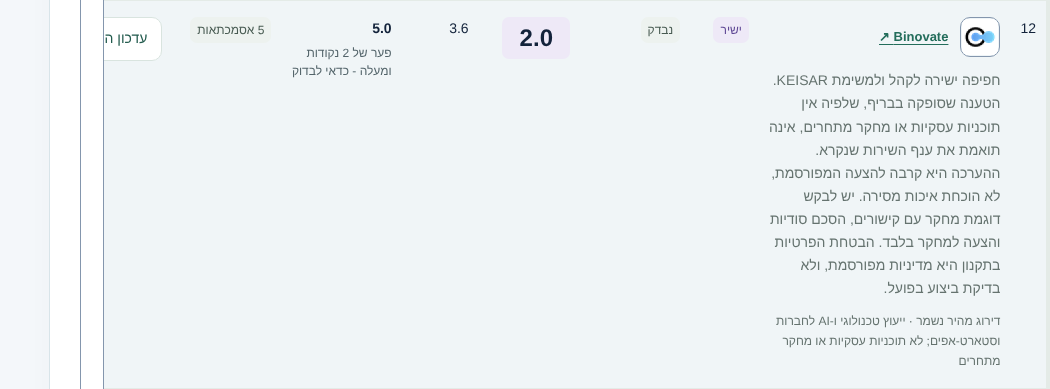
The original rating did not change automatically. It remained 2, next to the AI assessment and analyst rating. That gap gives us a reason to go back and see what each assessment rests on. This does not say that Binovate is better or worse. The question was how closely its published offer matched the question we were researching.
TARGO: What if our differentiation needs another look too?
During the research, Claude wrote a SWOT claim that the consultants reviewed did not present a source-based method for competitor research. If that were true, it would be easy to build a Mikud marketing message around it.
But the basis was incomplete. Claude had not reviewed every company behind that generalisation in depth.
The TARGO review found a description of primary and secondary research, competitor analysis and industry reports. The analyst also linked to a sample plan from 2016, while correctly noting that a historical sample does not prove the quality of the service today.
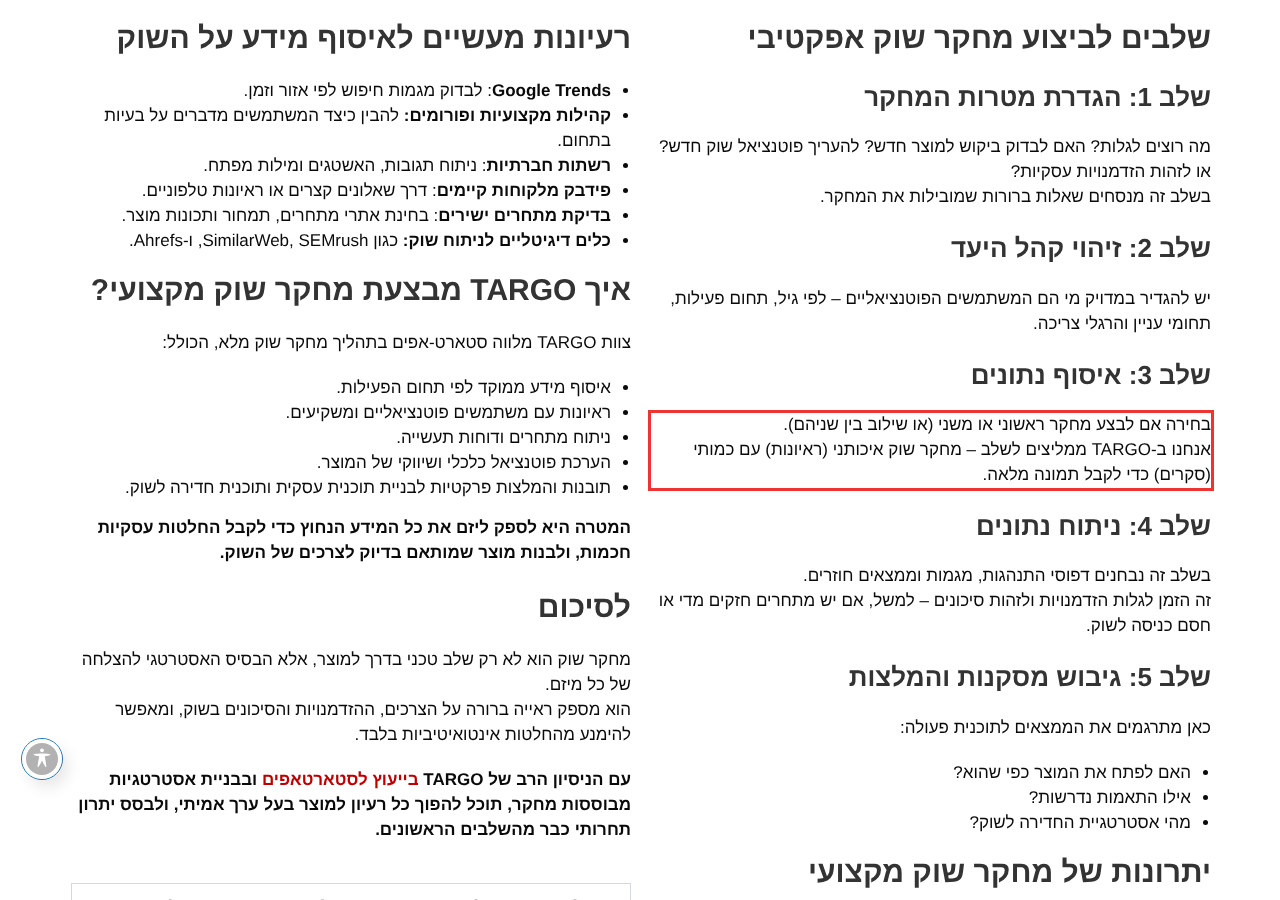
So that convenient claim did not hold up. We cannot present the use of sources itself as something only we do.
For me, that is exactly why it is useful to research our own market. If a finding gets in the way of the message we wanted to write, it is worth stopping before putting that message on the website.

What did we do with it?
The evidence helped us sharpen the marketing direction. We should explain more clearly how Mikud works with a research question, sources and separate assessments, and how it helps us return to assumptions that deserve another look. It is not enough to say that we have sources.
The test also surfaced product work that remained open. SWOT claims challenged by the findings stayed approved in the test accounts. There were also problems ingesting results and assigning analyst ratings, and some evidence items added little. These are findings from the test, not a claim that everything has already been fixed.
I am sharing this because I want to show what actually happened. There is no customer here who changed a business decision because of the report, and there is no proof that the analyst is always right. There are two cases we can open, read and learn from.
Choose one competitor and check it again
If you already have a competitor list, choose one company you marked as not very relevant. Open the service page intended for your audience. Look for what the company actually offers and save the link next to your note.
Now return to the rating. Would you give it the same score after reading that page? What about the sentence you wrote about what makes you different?
I would start with the company I felt most certain had nothing to teach me.
Want to bring order to your competitor research?
In Mikud.AI you can work through the research question, collect findings and compare separate assessments. For those who want to go deeper, there is also a plan with an AI analyst.
About the test and screenshots
This article is based on an internal test performed by Claude at Idan Keisar's request in early November 2026. The screenshots come from the supplied record: later-state captures from the test account and screenshots used to verify the sources. They are not a photographed before-and-after sequence. The company information reflects what the companies published, not the quality of services their customers received. The services were not independently evaluated.